Our health doesn’t stay the same throughout life—and neither should our care. Understanding how those needs evolve is crucial to maintaining well-being at every age.



Our health doesn’t stay the same throughout life—and neither should our care. Understanding how those needs evolve is crucial to maintaining well-being at every age.

Hunger affects far more than the body. When someone doesn’t know where their next meal will come from, or whether it will come at all, the stress reaches every part of life.
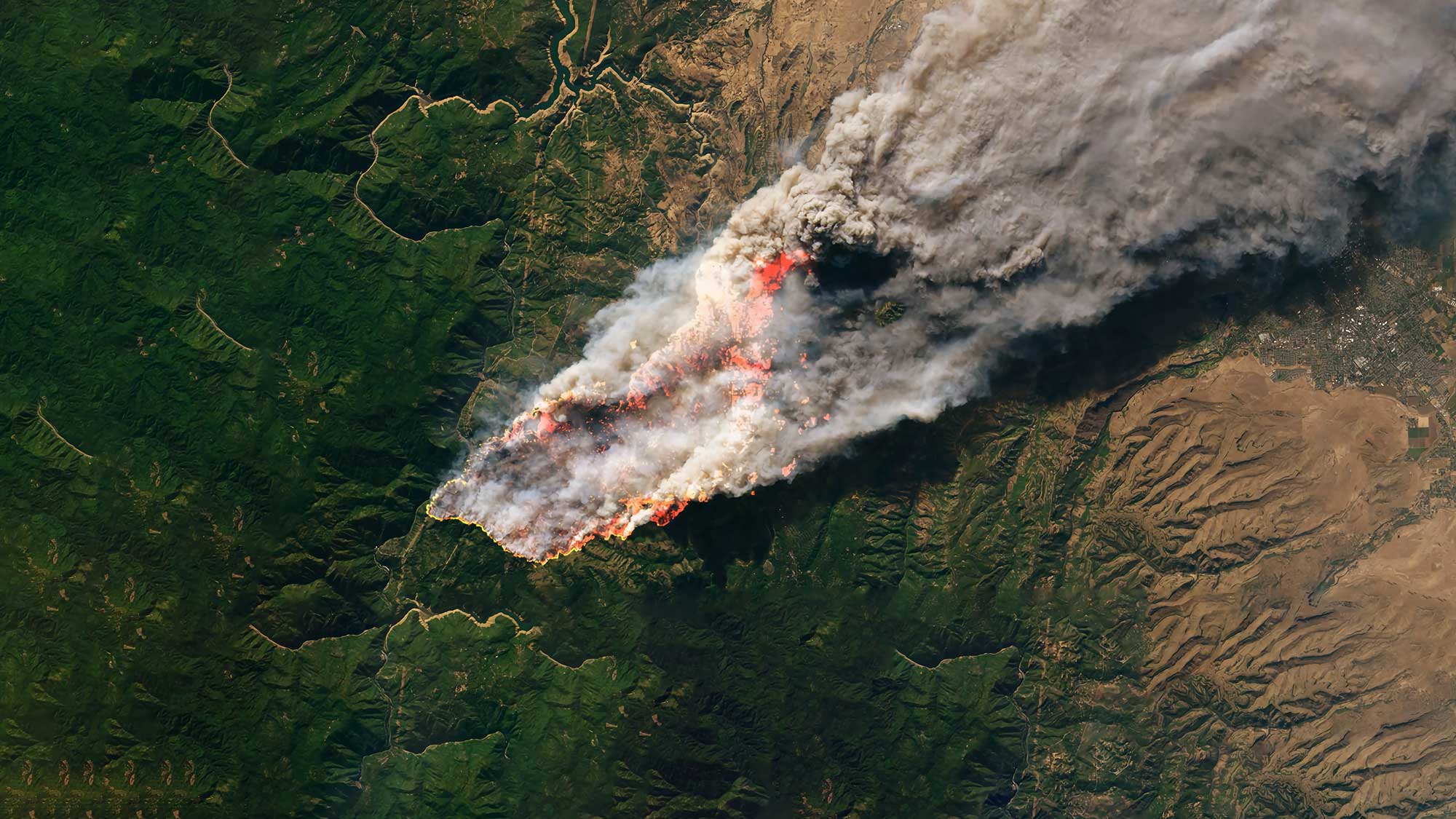
Feeling anxious about the state of the planet? You’re not alone. As headlines grow more alarming and weather events more extreme, many people are experiencing climate anxiety—the chronic fear of environmental doom. It’s a normal response to an overwhelming situation, but it doesn’t have to control your thoughts or dampen your hope.
Our health doesn’t stay the same throughout life—and neither should our care. Understanding how those needs evolve is crucial to maintaining well-being at every age.
Hunger affects far more than the body. When someone doesn’t know where their next meal will come from, or whether it will come at all, the stress reaches every part of life.
Feeling anxious about the state of the planet? You’re not alone. As headlines grow more alarming and weather events more extreme, many people are experiencing climate anxiety—the chronic fear of environmental doom. It’s a normal response to an overwhelming situation, but it doesn’t have to control your thoughts or dampen your hope.

We’ve all been there—burning the midnight oil during the week and promising ourselves we’ll “catch up” on sleep over the weekend. But while a long Saturday nap can feel great in the moment, it doesn’t fully erase the toll of chronic sleep deprivation. Just like financial debt, sleep debt adds up—and it takes more than a single good night’s rest to pay it off.