
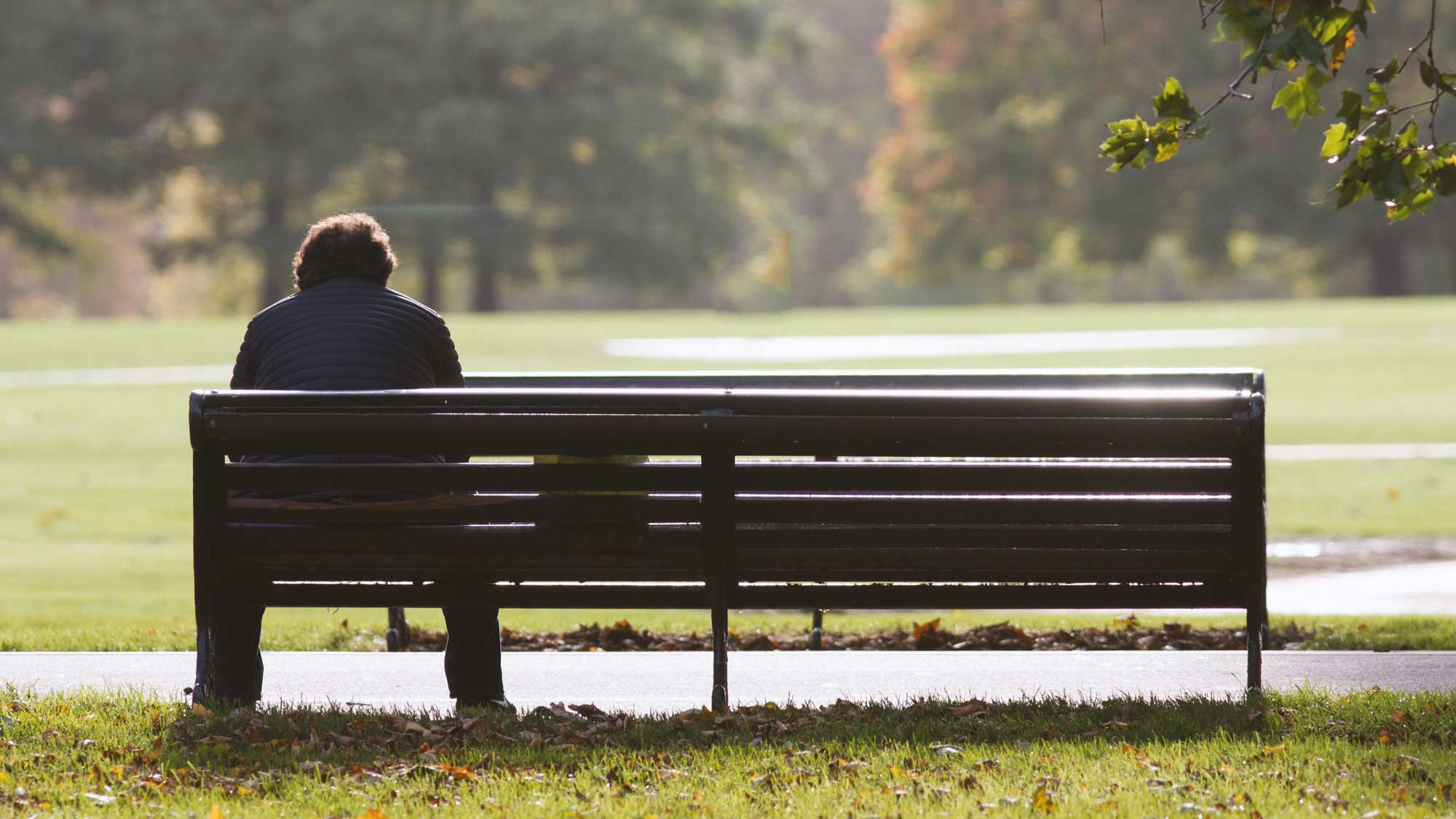
In a world more connected than ever, many people still feel profoundly alone. You can be surrounded by people, active on social media, and still experience deep loneliness. It’s more than an emotion—it’s a growing public health concern with real consequences for both mind and body.
The Health Toll of Loneliness
According to the U.S. Surgeon General, loneliness can increase the risk of premature death as much as smoking 15 cigarettes a day. It raises the likelihood of heart disease, stroke, dementia, depression, and anxiety.
That’s because humans are wired for connection. When we lack it, our bodies experience chronic stress responses. Heart rate and blood pressure rise, inflammation increases, and sleep quality declines—all of which can take a serious toll over time.
How Loneliness Shows Up
Loneliness doesn’t always look like isolation. It can affect anyone—students living away from home, parents overwhelmed by responsibility, older adults missing a sense of purpose, or professionals struggling to find real connection in a digital world.
You might notice it as a constant sense of emptiness, low motivation, or feeling unseen even in familiar spaces. Left unchecked, loneliness can spiral into depression or unhealthy coping habits like substance use or overeating.
Connection as Medicine
The good news? Loneliness is treatable—and connection truly heals. Studies show that even small, meaningful interactions can reduce stress and boost mood.² Talking with a friend, joining a class, volunteering, or simply greeting a neighbor can spark positive emotional and physiological responses.
Connection doesn’t have to be big or time-consuming. It’s about being intentional—choosing to reach out, share honestly, and listen fully. Over time, these moments build a sense of belonging, confidence, and resilience.
Ways to Reconnect
If loneliness has been part of your story lately, here are a few ways to start healing through connection:
- Reach out regularly.
Call or text someone you trust, even if it’s just to say hello. - Get involved locally.
Attend a support group, community class, or volunteer event. - Be present.
When with others, silence your phone and make eye contact. - Try therapy.
Talking with a counselor can help uncover what’s behind your loneliness and guide you toward healthy relationships. - Reconnect with purpose.
Engage in activities that align with your values and make you feel useful and seen.
You’re Not Alone
Feeling lonely doesn’t mean you’re broken—it means you’re human. Everyone needs connection, and building it starts with small, intentional steps.
At Valley Oaks Health, we understand how deeply mental and physical well-being are connected. For those struggling with loneliness, group therapy can be especially powerful. Our wide range of groups offers a place to be seen, heard, and supported. Through group therapy, support groups and community programs, we help people rediscover connection and restore hope—because healing happens together.
Sources: U.S. Surgeon General, National Institutes of Health