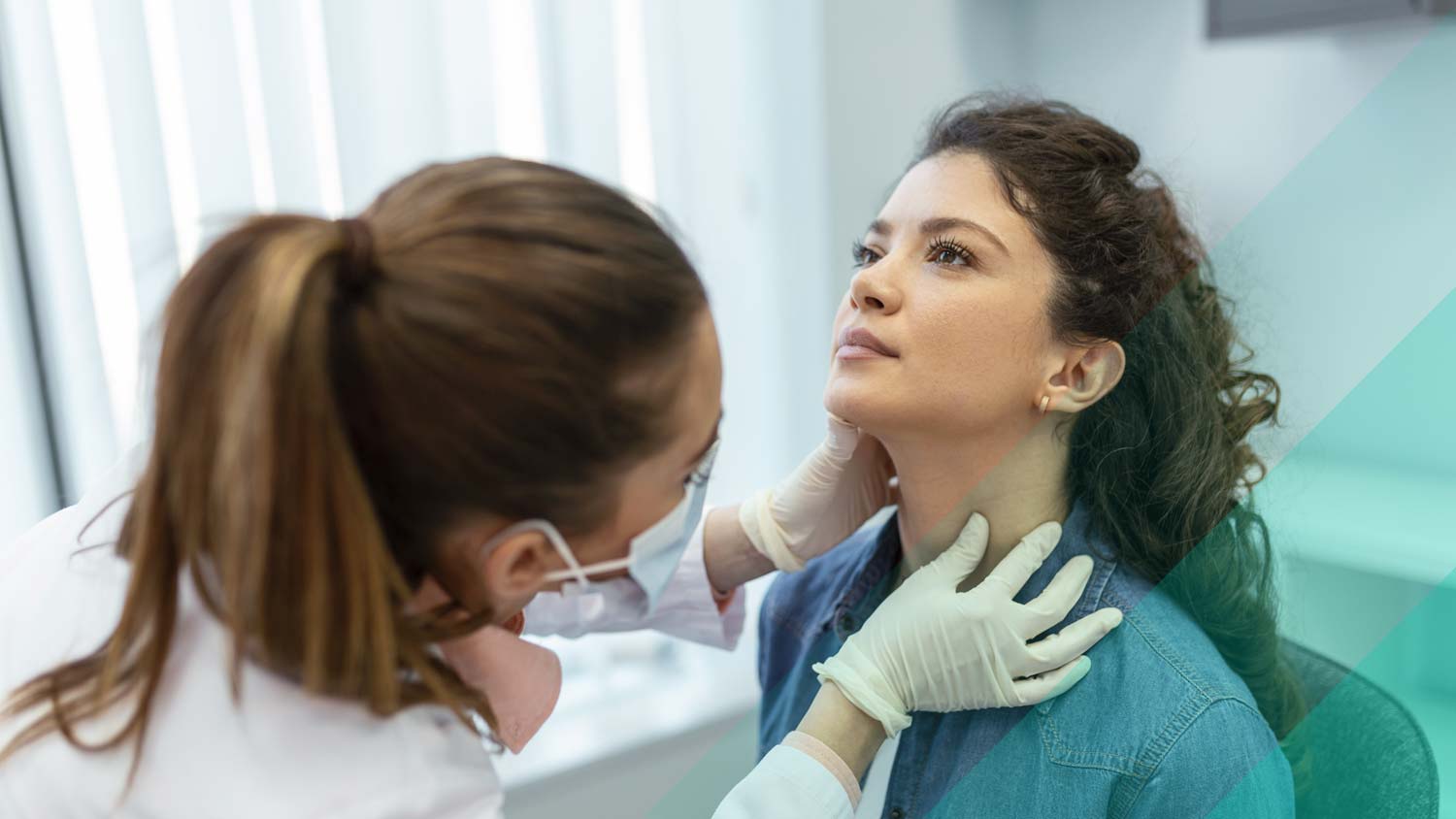

For National Family Health History Day, consider your family’s invisible tether to you: genetics and mental health. Family health history questionnaires are common in doctor’s offices when being treated for physical ailments. For example, if your parents, siblings, or grandparents have experienced blood pressure issues or heart disease, your doctor may recommend eating heart-healthy foods and keeping an eye on your blood pressure. Like physical health, your mental health can be impacted by family history.
According to a Psychology Today article, if someone you are related to has ADHD, there is a 75% chance you may inherit that trait; schizophrenia has a rate of 64%, and bipolar disorder has a rate of 59%. This doesn’t mean you are guaranteed to have the same diagnosis, but it is important for your medical provider to know so they can provide the best care.
Because of the stigma surrounding mental health and its relatively recent progress with medical intervention, such as prescription medication to treat depression or anxiety, you may not fully understand your family’s health history. Parents, grandparents, or other relatives may have suffered quietly with mental illness and never received treatment. Alternatively, your family may not have discussed any serious mental health issues in the family again because it was and still is stigmatized.
What you can do to find out more about your family health history
Talk to your siblings, parents, or grandparents if you feel comfortable. Let them know you are trying to find out information for your own wellbeing and that it is a judgment-free zone. If you’re able to have that conversation or already know your family’s history with mental health, the next step is to do something with the information.
Alternatively, if you are not able to obtain a family medical history, you may consider having your DNA screened for genetic patterns that could contribute to mental or physical health conditions.
Talk to your doctor about your family’s history with mental health
Depression, anxiety, schizophrenia, and other mental health diagnoses can be passed from generation to generation. If your family has a history with mental health, you should discuss it with your doctor or other mental healthcare professionals. This allows your medical providers to make the best medical decisions for you now and to prepare for the future. You can also discuss whether you may pass on certain traits to future generations and how to deal with those possibilities.